
|

Best practices for SQL Server to Mysql migration
OMG! The Best Migrate Sql Server To Postgresql Ever!
Establishing robust synchronization techniques requires a thoughtful approach to record management. Utilizing web services for bridging the gaps between different platforms enables organizations to harmonize their data flow effectively. This not only enhances interoperability but also reduces the chances of duplicates, ensuring that everyone in the organization has access to the most current Information at all times.Implementing robust synchronization techniques requires a thoughtful approach to information management. Utilizing web services for bridging the gaps between different platforms enables organizations to coordinate their data flow effectively. This not only enhances interoperability but also reduces the chances of inaccuracies, ensuring that everyone in the organization has access to the most current Information at all times.Data security remains a top concern when synchronizing across databases. By implementing strong encryption protocols and authentication measures, businesses can safeguard sensitive information. It is also essential to regularly audit and monitor synchronization processes so that potential vulnerabilities are addressed promptly. This layered approach to security not only protects data but also fosters trust among users relying on synchronized systems for their daily tasks.
Choosing the right cloud provider is one more step in your migration journey. With many options at your disposal, choosing a provider that aligns with your objectives is essential. Consider factors like scalability, security, and support services they offer. Your cloud partner should not only meet technical requirements but also be able to scale with your expansion, providing a stable environment for your databases.Choosing the right cloud provider is a crucial step in your migration journey. With many options at your disposal, choosing a provider that aligns with your needs is essential. Consider factors like adaptability, security, and support services they offer. Your cloud partner should not only meet technical requirements but also be able to scale with your growth, providing a reliable environment for your databases.
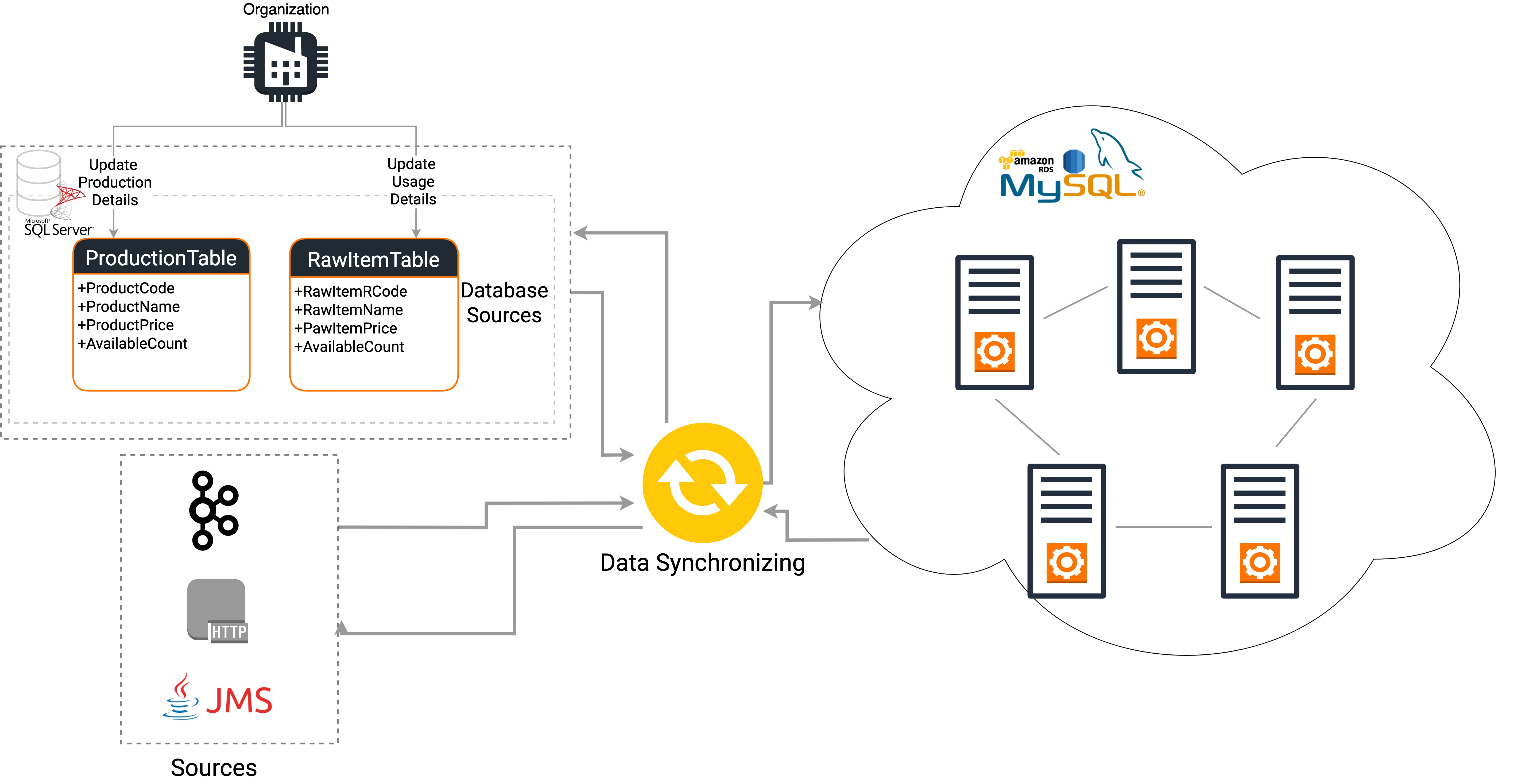
Want A Thriving Business? Avoid Sql Server To Mysql!
Before embarking your migration, it’s crucial to perform a thorough evaluation of your existing database setup. This evaluation should include defining your information requirements and understanding the unique aspects of your data. By listing all assets, you’ll gain clarity on what should move to the cloud and what may remain on-premises. This phase is important for confirming that nothing essential is overlooked during the migration process.Before starting your migration, it’s crucial to perform a thorough analysis of your existing database setup. This evaluation should include defining your information requirements and understanding the unique aspects of your data. By listing all assets, you’ll gain clarity on what should move to the cloud and what may remain on-premises. This phase is important for ensuring that nothing essential is overlooked during the migration process.
In the ever-changing world of database administration, ensuring that your databases are aligned is crucial for operational efficiency. The Sync Cycle provides a system to foster agility and cohesiveness across your data platforms. By upholding this cycle, organizations can not only minimize discrepancies but also enhance their overall output.In the dynamic world of database administration, ensuring that your databases are aligned is essential for optimal functionality. The Sync Cycle provides a system to foster flexibility and uniformity across your data platforms. By upholding this cycle, organizations can not only cut down on mistakes but also enhance their overall productivity.Ultimately, mastering database synchronization requires a blend of technical know-how and strategic planning. Investing into the right tools and practices can yield significant returns in terms of operational efficiency and data quality. As businesses continue to rely on dynamic data, those who prioritize effective synchronization will undoubtedly gain a competitive edge, staying ahead in their respective industries and thriving in an ever-evolving environment.
Attention: Migrate Oracle To Mysql
Data transfer methods can vary significantly depending on the complexity of your databases and the volume of data being moved. Options might include real-time replication or using physical data transport. Each method has its own set of advantages and considerations, so be sure to choose one that suits your particular scenario. Testing these methods before full deployment can provide valuable insights and enhance your confidence.Data transfer methods can vary significantly depending on the complexity of your databases and the volume of records being moved. Choices might include real-time replication or using physical data transport. Each method has its own set of advantages and considerations, so be sure to choose one that suits your particular scenario. Testing these methods before full deployment can provide valuable insights and enhance your confidence.
Migrating to the cloud can be a transformative process for businesses looking to boost their data management. The journey involves several key steps that guarantee a smooth migration for your essential databases. Understanding the tools and strategies available will help mitigate risks and provide guidance on how best to approach this important change. Start by assessing your current database architecture to identify potential challenges.Migrating to the cloud can be a transformative process for businesses looking to enhance their data management. Moving forward involves several key steps that promise a smooth migration for your critical databases. Understanding the tools and strategies available will help mitigate risks and provide clarity on how best to approach this significant change. Start by assessing your current database architecture to identify potential challenges.Lastly, fostering a culture of collaboration across departments will maximize the benefits of synchronized data. Regular training and knowledge-sharing sessions will empower teams to leverage available tools strategically. By encouraging cross-functional teamwork and communication, employees can better understand how to utilize shared data, thereby driving progress within the organization. Ultimately, the synergy created from seamless database synchronization leads to improved decision-making and a competitive edge in the marketplace.
Training and empowering your employees is also critical in sustaining the Sync Cycle. Individuals need to be well-versed in the technologies and methods used for integration. This means providing them with ongoing education and opportunities to develop their skills and understanding. A knowledgeable team is better equipped to foresee challenges and effectively migrate][img]www.convert-in.com">migrate[/img][/url]Quelle: https://dz2cdn1.dzone.com sql server to postgresql address them, ultimately creating a more nimbler environment.Training and empowering your staff is also critical in sustaining the Sync Cycle. Individuals need to be well-versed in the technologies and methods used for synchronization. This means providing them with ongoing education and opportunities to develop their skills and understanding. A knowledgeable team is better equipped to foresee challenges and effectively address them, ultimately creating a more nimbler environment.Embracing modern technologies such as cloud-based services and microservices architecture can also enhance your database synchronization efforts. These solutions offer flexibility and scalability that traditional systems may lack. By leveraging Application Programming Interfaces (APIs) and other integration tools, organizations can link disparate datasets seamlessly, paving the way for improved insights and faster decision-making.